
Understanding Causes and Treatment Options
Unwanted body hair is a common concern for both women and men. While hair growth is a normal biological process, excessive or unwanted hair in certain areas can cause discomfort, frustration, or self-consciousness. For many people, managing hair growth becomes a time-consuming routine that never seems to deliver lasting results.
At Warrior Medical Group, we take a medical approach to understanding unwanted body hair and the options available to manage it safely and effectively.
What Is Unwanted Body Hair
Unwanted body hair refers to hair growth that feels excessive, persistent, or unwanted based on personal comfort, lifestyle, or skin health. This can vary widely from person to person and may change over time due to hormonal shifts, genetics, or other factors.
It is important to note that unwanted body hair is very common and does not necessarily indicate a medical problem. However, understanding why hair growth occurs can help guide treatment decisions.
Common Causes of Unwanted Hair Growth
Unwanted hair growth can result from several factors, including:
Genetics
Hair thickness, density, and growth patterns are often inherited. Some individuals naturally grow darker or coarser hair in certain areas.
Hormonal Changes
Hormones play a significant role in hair growth. Changes related to puberty, pregnancy, menopause, or hormone imbalances can influence where and how hair grows.
Age
Hair growth patterns can shift over time. Some people notice new or thicker hair growth as they age.
Underlying Medical Conditions
In some cases, excessive hair growth may be associated with underlying medical or hormonal conditions. A medical evaluation can help determine whether further assessment is needed.
Medications
Certain medications may stimulate hair growth as a side effect.
Areas Commonly Affected by Unwanted Body Hair
Unwanted hair can appear on nearly any area of the body. Common areas of concern include:
- Face and neck
- Upper lip and chin
- Underarms
- Arms and legs
- Chest and abdomen
- Back and shoulders
- Bikini area
The impact of unwanted hair often goes beyond appearance, leading to irritation, ingrown hairs, or frequent skin sensitivity.
Treatment Options for Unwanted Body Hair
There are several ways to manage unwanted hair, each with different benefits and limitations.
Shaving
Waxing
Depilatory Creams
Medical Laser Hair Removal
When to Consider Medical Laser Hair Removal
Laser hair removal may be worth considering if:
- Hair regrowth is rapid or persistent
- You experience frequent ingrown hairs
- Skin irritation occurs with shaving or waxing
- Hair removal routines are time-consuming
- You want long-term reduction rather than temporary removal
A medical consultation helps determine whether laser hair removal is appropriate based on hair type, skin tone, and overall health.
Laser Hair Removal as a Long-Term Solution
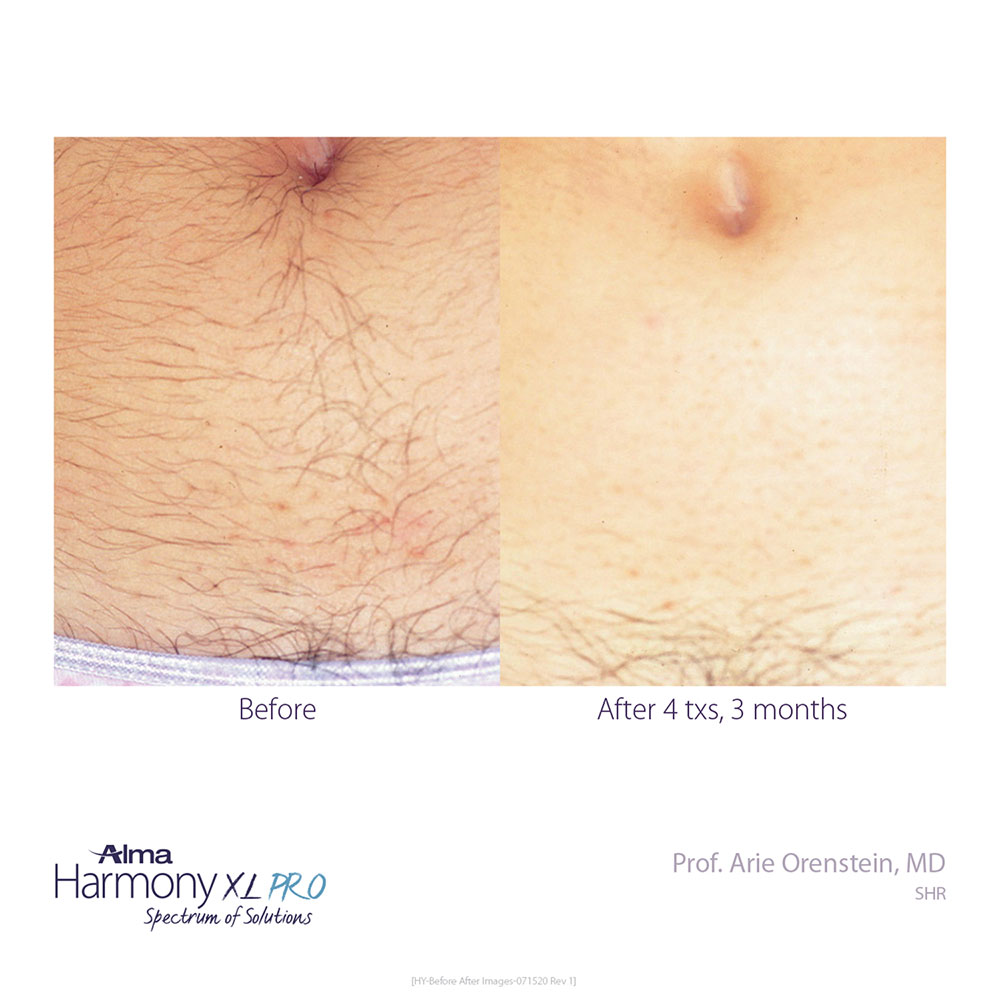
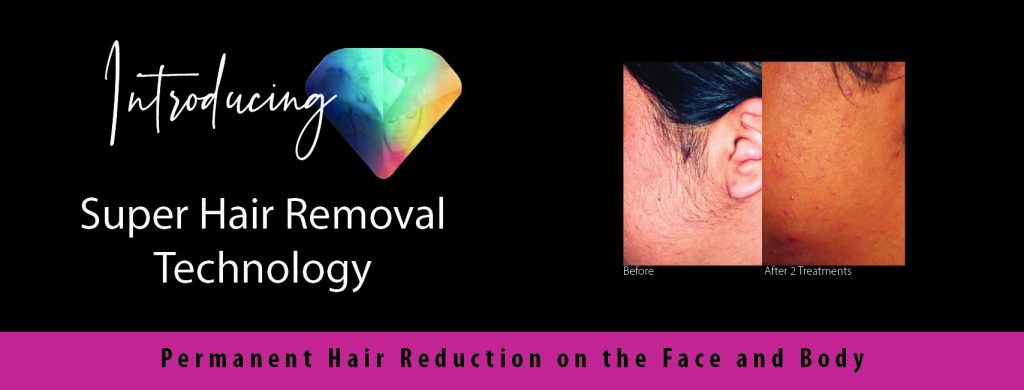
Medical laser hair removal works by delivering controlled light energy to hair follicles. Over a series of treatments, the follicle becomes damaged and produces less hair. Hair that does regrow is often finer and lighter.
At Warrior Medical Group, laser hair removal is performed with medical oversight to ensure:
- Appropriate energy settings
- Skin protection and comfort
- Realistic expectations
- Safe, consistent treatment plans
Technology selection, proper evaluation, and treatment planning all play important roles in achieving reliable results.
Unwanted Body Hair Treatment in Annapolis, MD
Patients in Annapolis and throughout Anne Arundel County often seek professional guidance for managing unwanted body hair. A medical approach allows for thoughtful evaluation, education, and access to advanced treatment options designed for long-term improvement.
If unwanted hair is affecting your comfort or confidence, learning about your options is the first step.
Frequently Asked Questions (FAQs)
Yes. Hair growth patterns vary widely and change over time.
Not always. In some cases, evaluation may be helpful, but many people experience unwanted hair due to genetics or normal hormonal changes.
Laser hair removal provides long-term hair reduction. Some regrowth is possible, but it is often finer and lighter.
When performed in a medical setting, laser hair removal is considered safe for appropriate candidates.